 UGTKengine within an engine
UGTK / Toolkit / Utility Systems / Interface Founder Completed

Interface Founder
Summary
The Interface Founder is a one-method utility: InterfaceFinder.FindAllInterfaces<T>() returns
every MonoBehaviour in the loaded scenes that implements the interface T — including the ones on
inactive GameObjects. It is what lets a manager talk to "everything that can be paused", "every
saveable object" and so on, without keeping a registry by hand.
Content
Modules Dependencies
None. A single static class with no UGTK reference and no dependency beyond UnityEngine.
Setup
Nothing to set up: there is no component, no prefab and no scene. Add
UGTK.UtilitySystems.InterfaceFounder to your assembly definition references and
using UGTK.UtilitySystems.InterfaceFounder; to your script.
How To Use
using UGTK.UtilitySystems.InterfaceFounder;

// every MonoBehaviour in the loaded scenes that implements IPausable — inactive ones included
List<IPausable> pausables = InterfaceFinder.FindAllInterfaces<IPausable>();

foreach (IPausable p in pausables)
    p.Pause();
That is the whole API. The generic parameter is constrained to class, so it also accepts a base
class — but the intent is interfaces, which GetComponent-style lookups handle poorly.
What it does and does not see
| It finds | It does not find |
|---|---|
| Components on active GameObjects | Objects that live only in an unloaded scene |
| Components on inactive GameObjects | Prefab assets that are not instantiated |
| Components across all loaded scenes (additive included) | Plain C# classes: only MonoBehaviour is scanned |
ScriptableObject assets |
Cost. It is a full scene scan (FindObjectsOfType<MonoBehaviour>(true)): O(number of components
in the scene) and it allocates the whole array every call. Rules of thumb:
- call it once, on
Start/Awakeor when the scene changes, and cache the list; - never call it in
Update, in a loop, or per spawned object; - when the set changes at runtime (pooling, streaming), refresh the cache on the event that changed it, not on a timer.
That is exactly how the
Pause System
uses it: one call when the game pauses and one when it resumes, to collect the IPausables.
Order is not guaranteed. The returned list follows Unity's internal object order, which is not the hierarchy order and is not stable across runs. If you need a deterministic order, sort the list yourself (by name, by a priority field, …).
Testing Scene
Open Debug/InterfaceFounderScene.unity. Besides InterfaceFounderTest, which carries
Mn_InterfaceFounderTest, the scene holds four objects with Mn_InterfaceFounderProbe on them:
Probe Alpha, Probe Beta, Probe Nested (a child of Alpha) and Probe Disabled, which is
switched off in the Hierarchy on purpose. Both methods sit on the component's context menu —
right-click the header in the Inspector, no play mode.
- Find Probes — four objects come back,
Probe Disabledamong them, marked(inactive). This is the point of the scene:FindAllInterfaces<T>reaches objects that are switched off, whichFindObjectsOfTypedoes not do unless you ask it to. Nesting makes no difference either —Probe Nestedis found as readily as its parent. - Find Nothing — searching for an interface nothing implements returns a list of zero items, not null. Code that consumes the result can iterate it without a null check.
The one limit worth knowing: the search only covers loaded scenes. A prefab sitting in the project that has not been instantiated is not there, and that is the usual reason a list comes back shorter than expected.
Technical Info
| Path | Content |
|---|---|
InterfaceFounder.cs |
The whole system: the static class InterfaceFinder |
InterfaceFinder API: static List<T> FindAllInterfaces<T>() where T : class.
Implementation: Object.FindObjectsOfType<MonoBehaviour>(true) (the true is what includes inactive
objects), then a single is T pass that builds the result list.
© 2026 Marcello De Bonis. All rights reserved
Depends on 0
- Standalone: no other module required.
Used by 1
Measured from the repository: code references (asmdef) plus prefab and asset GUIDs. Importing this module alone brings in 0 modules in total.
More in Utility Systems.
all 34 →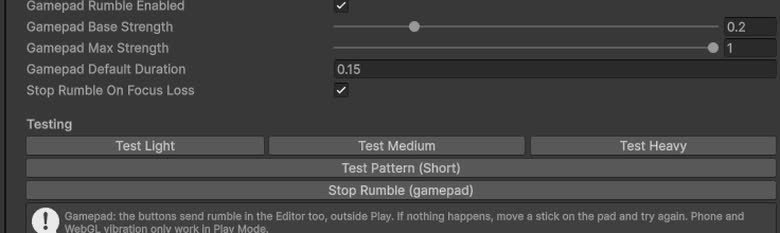
Vibration System (Utility)
Utility wrapper to trigger vibration/haptic feedback from non-mobile-specific contexts.
Completed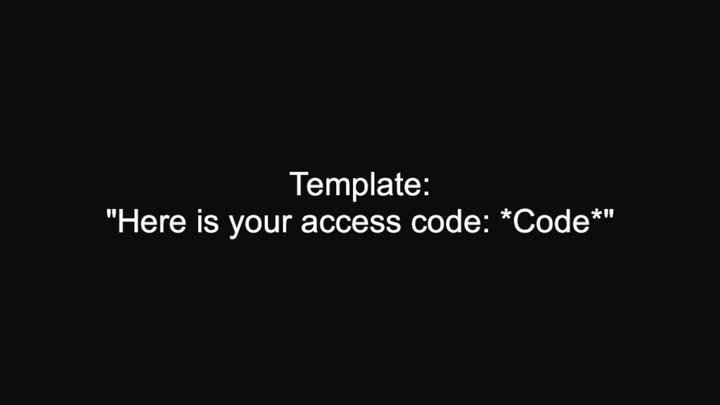
Replace Special Word
Substitutes *tokens* inside a text template with values supplied at runtime.
Completed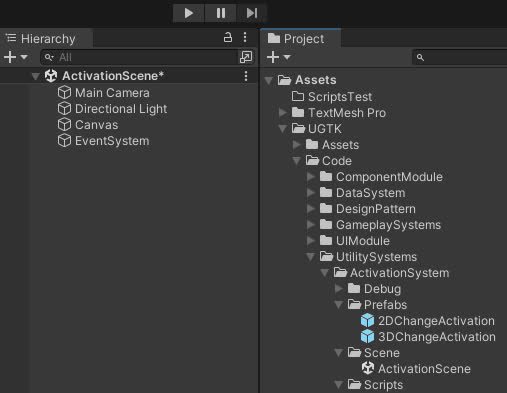
Activation System
The Activation System controls GameObject states, enabling activation, deactivation, and toggling for dynamic gameplay scenarios.
Completed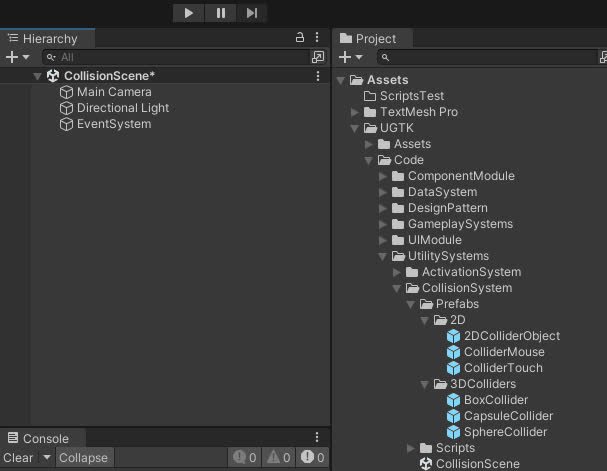
Collision System
Manages 2D/3D collisions and detects mouse and touch interactions with customizable behavior.
Completed